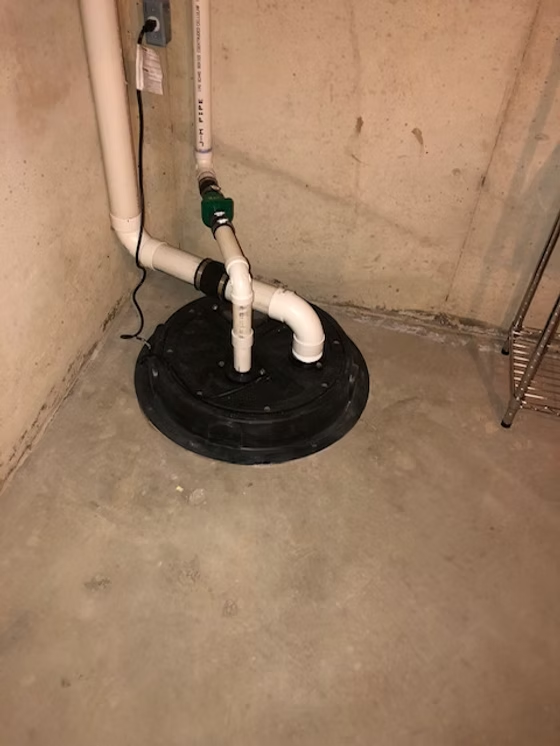
Sump Pump Inspection
Evaluate pump operation, float movement, basin conditions, discharge flow, check-valve performance, visible connections, and other accessible system components.
Velocity Master Plumbing provides professional sump pump services for inspection, repair, replacement, installation, backup systems, and dependable basement water protection throughout Ann Arbor and Southeast Michigan.
A sump pump may remain quiet for long periods, but when groundwater rises, drainage systems become overwhelmed, or heavy rainfall affects the property, reliable pump operation can make the difference between a dry basement and significant water damage.
Velocity Master Plumbing provides professional sump pump services for existing systems, aging pumps, new installations, replacement equipment, discharge concerns, and backup protection. The system is evaluated according to pump condition, basin performance, float operation, discharge routing, electrical supply, visible water conditions, and the needs of the property.
Regular service and inspection can help identify problems before the pump is needed most. A unit that appears normal during dry weather may still have a sticking float, worn motor, blocked discharge, failing check valve, unreliable power source, or reduced pumping capacity.
Sump systems include more than the pump itself. Basin condition, float movement, electrical supply, discharge piping, check valves, backup equipment, and the volume of water entering the system all affect overall performance.
Evaluate pump operation, float movement, basin conditions, discharge flow, check-valve performance, visible connections, and other accessible system components.
Address qualifying issues involving switches, floats, discharge connections, check valves, power supply, pump performance, and related system components.
Replace aging, unreliable, undersized, noisy, damaged, or repeatedly failing equipment with a pump selected for the property and expected water demand.
Install primary sump equipment with attention to basin access, pump sizing, float clearance, discharge routing, check-valve placement, and dependable operation.
Add secondary protection designed to continue water removal when the primary pump fails, loses power, or cannot keep up with incoming water.
Review accessible discharge piping, check valves, routing, connections, and visible conditions that may affect pump efficiency or water removal.
Sump pump issues can develop gradually. Unusual sound, frequent cycling, delayed activation, visible water in the basin, or inconsistent operation may indicate that the system should be evaluated before the next period of heavy water demand.
A pump that does not activate may be affected by power loss, a failed switch, a stuck float, motor failure, damaged wiring, or another electrical or mechanical concern.
Continuous operation may indicate heavy incoming water, float problems, discharge restrictions, equipment sizing concerns, check-valve issues, or reduced pump performance.
Water that does not lower normally may indicate that the pump is not activating, cannot keep up, is losing efficiency, or is experiencing a discharge-related restriction.
Grinding, rattling, humming, excessive vibration, or changing pump sound may indicate worn components, debris, mechanical damage, or equipment nearing failure.
Rapid on-and-off operation may be connected to float placement, basin size, check-valve concerns, changing water levels, or improper pump operation.
Dampness, standing water, seepage, or repeated basement moisture may indicate pump failure, drainage concerns, discharge problems, or conditions beyond the sump system.
Reliable sump pump performance depends on the relationship between the pump, basin, float, power supply, discharge piping, incoming water volume, and backup protection.
The team discusses basement water history, prior pump failures, recent storms, unusual pump behavior, system age, power outages, and other relevant conditions.
Accessible equipment, basin conditions, float movement, pump response, discharge piping, check valves, electrical supply, and visible water conditions are reviewed.
Pump age, performance, reliability, condition, capacity, repair feasibility, backup needs, and property risk are considered before making a recommendation.
Approved repair or installation work is completed carefully, pump operation is tested, and important system information is explained to the property owner.
A primary sump pump is the first line of defense, but it still depends on working equipment and available power. Pump failure, electrical outages, extreme water volume, stuck floats, blocked discharge lines, and mechanical problems can interrupt operation when water is entering the basin.
The primary pump is responsible for normal water removal and should be sized and installed according to basin conditions, property drainage, and expected water volume.
A backup system can provide another layer of water removal during a primary pump failure, power outage, equipment problem, or unusually high water demand.
Sump pumps can remain inactive during dry conditions and then be expected to operate continuously during heavy rainfall, snowmelt, or rising groundwater. That makes periodic testing and inspection especially important.
Routine service can help identify sticking floats, reduced pump response, unusual sound, discharge restrictions, worn components, power concerns, check-valve issues, debris in the basin, and other conditions before the system is placed under heavy demand.
Confirm that the pump responds properly as water rises and that the float or switch can move without interference.
Check accessible discharge piping, visible connections, flow direction, and conditions that may reduce water removal.
Look for debris, obstructions, unusual water conditions, pump movement, float interference, and visible changes within the sump basin.
Review backup pump operation, power source, battery condition where applicable, and the overall level of redundancy available.
Sump pumps remove water that reaches the basin, but they do not correct every cause of basement moisture. Grading, downspouts, foundation drainage, exterior water management, groundwater levels, plumbing leaks, sewer backups, and drainage-system conditions may also contribute to water entering or collecting around a property.
When symptoms suggest a broader plumbing, drainage, or underground concern, Velocity can help evaluate related systems and explain whether additional services may be appropriate.
Velocity provides residential sump pump services throughout Ann Arbor, Brighton, Chelsea, Dexter, Lansing, Manchester, Saline, Ypsilanti, and surrounding Southeast Michigan communities.
Local properties include older homes with existing basement drainage systems, newer residential construction, finished lower levels, rental properties, homes with high groundwater exposure, and properties affected by seasonal rain or snowmelt.
Explore Service AreasSump pump recommendations depend on basement water history, equipment condition, basin design, incoming water volume, discharge routing, power availability, and the level of protection needed for the property.
Sump pumps should be tested periodically and evaluated before seasons with heavier rainfall, snowmelt, or rising groundwater. Inspection frequency may be increased for properties with frequent pump activity, finished basements, prior water damage, older equipment, or a history of power outages.
Warning signs may include failure to activate, continuous running, high water in the basin, unusual noise, excessive vibration, frequent short cycling, slow water removal, visible moisture, recurring basement dampness, or a pump that stops during heavy water conditions.
Preventative replacement may be worth considering when a pump is aging, unreliable, showing changing performance, operating frequently, protecting a finished basement, or serving a property with a history of significant water entry. Current condition and property risk should be evaluated together.
A backup system is not required for every property, but it can provide valuable additional protection during a power outage, primary pump failure, switch problem, mechanical breakdown, or unusually high water demand. The value of backup protection depends on property conditions and potential water-damage risk.
Continuous operation may be caused by high incoming water volume, a stuck or improperly positioned float, undersized equipment, discharge restrictions, check-valve problems, pump wear, system design, or groundwater conditions affecting the property.
No. A sump pump removes water that reaches the basin, but basement moisture may also be connected to grading, downspouts, exterior drainage, foundation conditions, plumbing leaks, sewer backups, groundwater pressure, or other property-specific concerns.
Tell us whether the pump is noisy, running constantly, failing to activate, struggling to lower the basin, or protecting a basement with a history of water concerns. Velocity will help evaluate the system, explain the available repair or replacement options, and determine whether backup protection should be considered.