Live Interior Video
View the accessible interior of the sewer line in real time rather than relying only on surface symptoms or assumptions.
Velocity Master Plumbing provides professional sewer camera inspections to locate clogs, roots, cracked pipes, offsets, bellies, deterioration, and hidden sewer-line problems without unnecessary digging.
When drains repeatedly slow down, several fixtures begin backing up, or sewer symptoms return after cleaning, guessing at the cause can lead to unnecessary repairs, added expense, and avoidable property disruption.
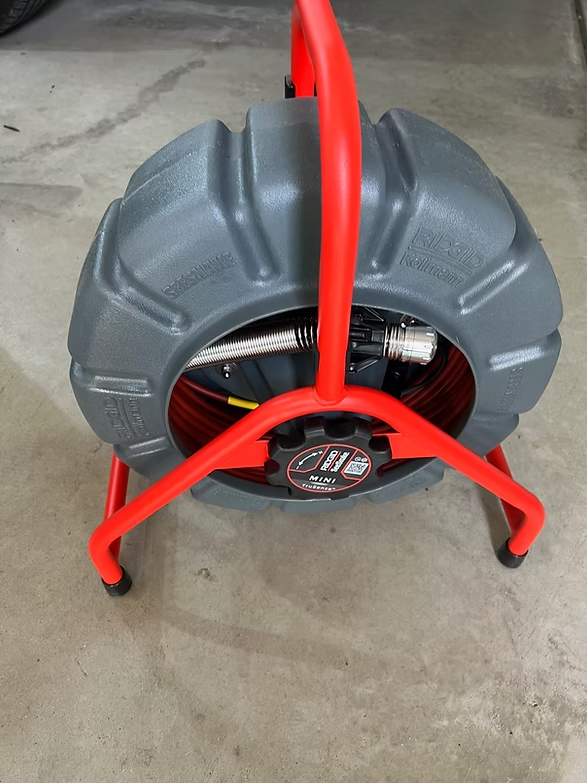
Professional sewer camera inspections allow the condition inside an underground pipe to be viewed directly. A specialized high-resolution camera is guided through the sewer line while live footage is reviewed above ground. This makes it possible to identify conditions that cannot be seen from the surface.
Velocity Master Plumbing combines modern inspection equipment with practical plumbing and trenchless experience. The goal is not simply to locate a visible defect. It is to understand how that condition affects the sewer system, explain what the footage shows, and help determine whether cleaning, monitoring, targeted repair, pipe lining, trenchless replacement, or another approach makes sense for the property.
A sewer camera inspection is a non-invasive diagnostic process that uses a small waterproof camera mounted to the end of a flexible cable. The camera is introduced through an accessible cleanout, drain opening, or approved access point and carefully advanced through the sewer pipe.
As the camera travels through the line, it sends live video to a monitor above ground. The technician can review pipe material, joints, interior surfaces, flow conditions, obstructions, structural changes, and other visible conditions throughout the accessible portion of the system.
View the accessible interior of the sewer line in real time rather than relying only on surface symptoms or assumptions.
Confirm whether the line contains roots, buildup, cracking, deterioration, offsets, low areas, separation, or other visible concerns.
Help identify where a visible obstruction, defect, or change in pipe condition is located within the accessible sewer line.
Use inspection findings to compare cleaning, trenchless repair, pipe lining, targeted excavation, or replacement options.
Create visual documentation that may be useful when evaluating repair work, older properties, recurring problems, or real-estate decisions.
Make decisions using visible sewer conditions instead of opening the ground simply to determine what may be happening below.
Different pipe materials fail in different ways. Older clay lines may develop root intrusion and displaced joints, cast iron may experience scaling and deterioration, Orangeburg piping may deform or lose structural integrity, and newer systems may still develop offsets, bellies, obstructions, or installation-related concerns.
Roots naturally seek moisture and may enter through small cracks, joints, offsets, or openings. Over time, root growth can restrict flow and contribute to repeated blockages.
Grease, wipes, organic material, foreign objects, sludge, and accumulated debris can reduce the usable pipe opening and interrupt normal wastewater flow.
Ground movement, age, corrosion, material failure, settlement, or external pressure can create visible cracks, fractures, openings, or structural damage.
Pipe sections may shift over time, creating an uneven connection that catches debris, interrupts flow, allows roots to enter, or weakens the sewer system.
Low areas can allow wastewater and solids to collect instead of continuing downstream, contributing to recurring restrictions and backup concerns.
Older metal and specialty pipe materials may develop scaling, rough interior surfaces, loss of material, deformation, or visible deterioration over time.
Many underground pipe problems begin gradually. A property may experience intermittent slow drainage or occasional backups before a larger failure occurs. A camera inspection can help determine whether symptoms are connected to normal buildup or a more significant condition inside the sewer line.
Repeated blockages often indicate that the full cause has not yet been identified or removed.
Sewer-line footage can provide useful information when evaluating a property or planning a major repair.
Every sewer system is different, but the inspection process is designed to remain organized, minimally disruptive, and focused on producing useful information about the accessible pipe condition.
The technician discusses backups, slow drainage, odors, recurring clogs, prior cleaning, known pipe materials, and other available system history.
An appropriate cleanout or approved access point is identified so the inspection camera can be introduced into the accessible piping.
The camera is advanced through the line while visible pipe material, joints, buildup, defects, flow conditions, and obstructions are reviewed.
The footage is reviewed in context and appropriate next steps are discussed, whether the system needs cleaning, monitoring, repair, rehabilitation, or replacement.
A sewer camera provides important visual information, but the equipment alone does not determine the correct solution. Pipe material, age, access, slope, flow behavior, property layout, symptoms, repair history, and the location and severity of visible defects all affect how the footage should be interpreted.
Velocity combines advanced inspection technology with experience in plumbing, sewer cleaning, excavation, underground piping, CIPP lining, trenchless replacement, and specialty pipe rehabilitation. That broader technical background helps connect what appears on screen with the practical repair options available for the property.
Visible conditions are explained in straightforward language so property owners understand what was found and why it matters.
Cleaning, monitoring, spot repair, pipe lining, trenchless replacement, and excavation are considered according to actual pipe conditions.
Camera-led diagnosis can help limit exploratory digging and focus repair planning on the documented location and condition of the pipe.
Recommendations are based on system condition, repair feasibility, property needs, and long-term performance rather than a single predetermined solution.
Property owners experiencing recurring drainage problems, sewer odors, repeated backups, or concerns about an older underground line can schedule a professional sewer camera inspection with Velocity.
Inspection access and system conditions can vary by property. Contact Velocity to discuss the sewer concern, available cleanout access, property location, and what to expect during the appointment.
Velocity provides sewer camera inspections for residential and commercial properties throughout Ann Arbor, Brighton, Chelsea, Dexter, Lansing, Manchester, Saline, Ypsilanti, and surrounding Southeast Michigan communities.
Local properties include historic homes with clay and cast-iron sewer piping, neighborhoods with aging underground systems, newer residential properties, commercial facilities, rental properties, and buildings experiencing recurring drainage concerns.
Explore Service AreasInspection results vary according to pipe access, system condition, line length, material, blockage severity, and the portion of the sewer system that can be viewed.
A waterproof sewer camera attached to a flexible cable is inserted through an accessible cleanout or approved access point. Live video allows the technician to review visible pipe materials, joints, buildup, roots, cracks, offsets, low areas, deterioration, and other conditions without exploratory digging.
An inspection may be recommended when drains repeatedly clog, several fixtures are affected, sewer backups return after cleaning, foul odors are present, a property has older underground piping, or symptoms suggest a deeper sewer-line concern.
Yes. Standard home inspections may not include the interior condition of underground sewer piping. Camera footage can provide additional information about visible pipe material, roots, buildup, offsets, deterioration, damage, and other conditions before a property purchase.
Many inspections can be completed within approximately 30 minutes to one hour, but timing depends on sewer access, line length, pipe condition, obstructions, system layout, and whether additional evaluation is required.
The visible condition is reviewed and repair options are discussed according to the type, location, extent, and severity of the issue. Recommendations may include cleaning, monitoring, targeted repair, CIPP pipe lining, UV spot repair, trenchless replacement, excavation, or another property-specific solution.
A camera provides valuable visual information, but visibility may be limited by standing water, heavy buildup, complete blockages, pipe access, line configuration, or conditions outside the pipe wall. Inspection findings are interpreted alongside symptoms, testing, system history, and other diagnostic information.
Tell us about recurring clogs, backups, odors, slow drainage, older pipe materials, or concerns discovered during a property transaction. Velocity will help evaluate the symptoms, inspect the accessible sewer line, explain the visible findings, and identify practical next steps.